
Scanning and storage providers range from print shops to offshore bureaux. Here's what to check — accreditation, who handles your records, UK processing, capacity — and a checklist to compare them.
Document scanning and storage companies vary enormously — from one-room print shops to national operators to offshore bureaux. For anything beyond a handful of documents, a few things separate a provider you can trust with sensitive records from one you can't.
The essentials: independent accreditation (ISO 27001 for information security, ISO 9001 for quality, BS 10008 for legally admissible scanning, BS EN 15713 for secure destruction); who actually handles the work; where records are processed; the capacity to handle your volume; and genuinely transparent pricing.
Ask the direct question: who touches my records? Many providers subcontract collection, scanning or storage to third parties — which means your records, and your data-protection liability, pass through organisations you haven't checked. We do everything in-house: our own DBS-checked staff, our own branded vehicles and our own accredited UK facilities, so there's a single, auditable chain of custody from collection to delivery or destruction.
Some bureaux cut scanning costs by shipping documents or data offshore. For UK organisations — especially public sector, healthcare, legal and financial — that can undermine your GDPR position and your clients' trust. All our processing is UK-based; records never leave our accredited sites.
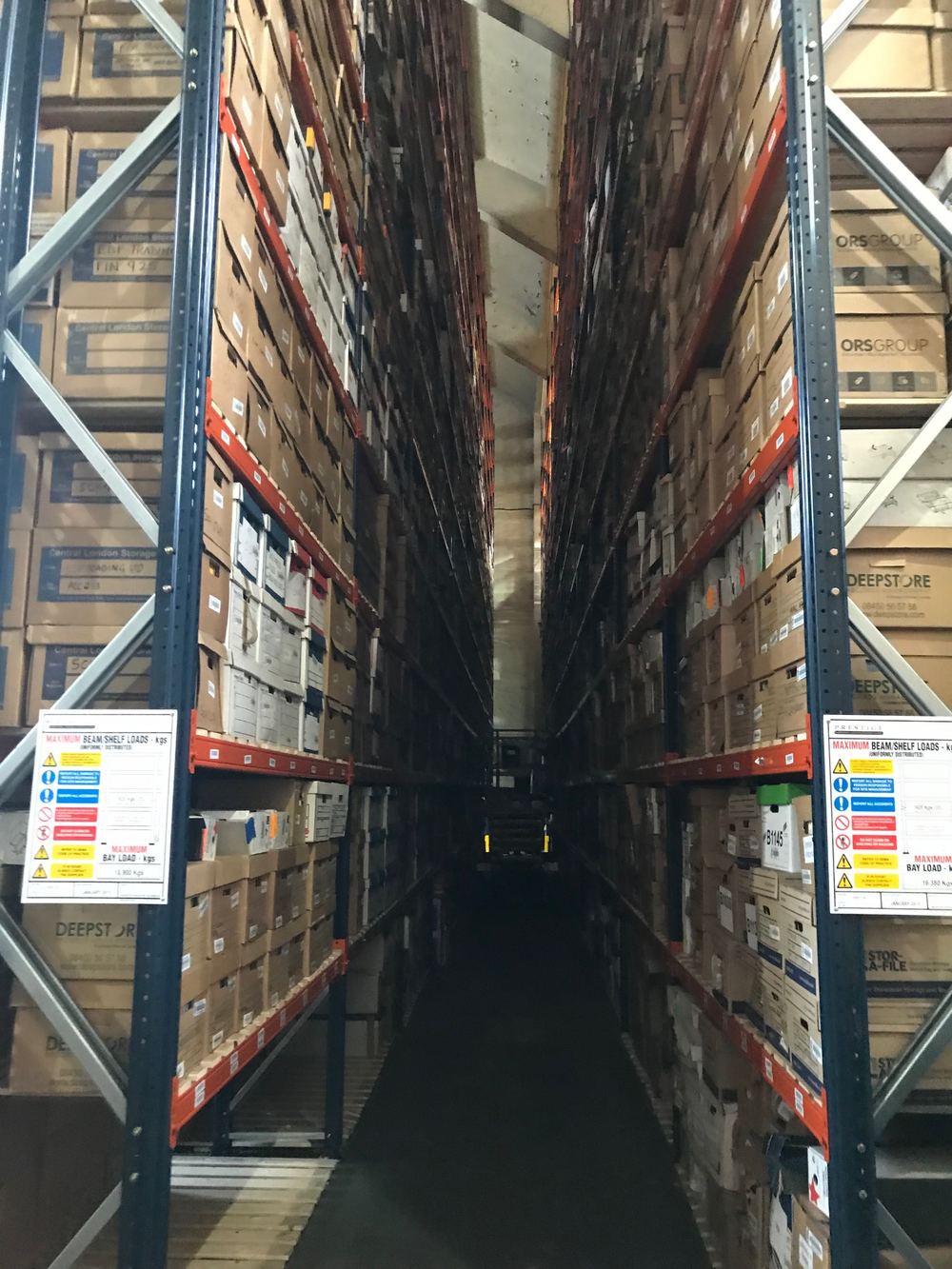
A provider that's right for 20 boxes may not cope with 20,000. Check they can run a project at your volume with dedicated project management and a signed-off test batch, and that they have the physical capacity and resilience for ongoing storage. We manage over 10 million files across six UK sites with a daily national shuttle, and are an ESPO framework supplier — the capacity and governance larger organisations and public-sector buyers need.
Put every quote on the same basis. For scanning, compare collection, preparation, indexing depth, output format and delivery. For storage, compare the per-box price and retrievals, urgent retrievals, deliveries, destruction and — the one most people miss — what it costs to leave. See our scanning and storage cost guides for the full list of drivers.
If you'd like to measure us against it, start with document scanning or document storage, or our why Stor-a-File page.
Tell us what you need stored, scanned or processed and we'll send a clear, no-obligation price.
We'll be in touch, usually the same working day. Anything urgent? Call free on 0800 281857.
Accreditation (ISO 27001 for information security, BS 10008 for scanning, BS EN 15713 for destruction), whether work is done in-house or subcontracted, UK vs offshore processing, capacity to handle your volume, and transparent pricing including exit charges. References and framework status (such as ESPO) are good signals.
It matters a lot for security and accountability. If a provider subcontracts collection, scanning or storage, your records pass through hands you haven't vetted. We run everything ourselves — our own staff, vehicles and accredited UK sites — so there's a single chain of custody.
For most UK organisations, yes — and for public-sector and regulated data it's often required. Offshoring document processing can weaken your data-protection position. All our processing is UK-based by DBS-checked staff.
Make sure every quote covers the same things: collection, preparation, indexing depth, output format and delivery for scanning; storage, retrievals, urgent retrievals, deliveries, destruction and exit charges for storage. A low headline price often hides costs that appear later.
Yes, and it's usually more efficient. We store, scan, capture data from and securely destroy records from the same accredited sites, so you can keep an archive, digitise part of it, and scan on demand — all under one provider and one audit trail.